ServicesNon-Reflective Window Film
Non-Reflective Window Film in Deer Park
Keep the view and the natural look of your glass while cutting heat, glare and fading. Our non-reflective window film stays nearly invisible from the street and won't mirror your room back at you after dark. We fit every pane by hand and finish every edge.
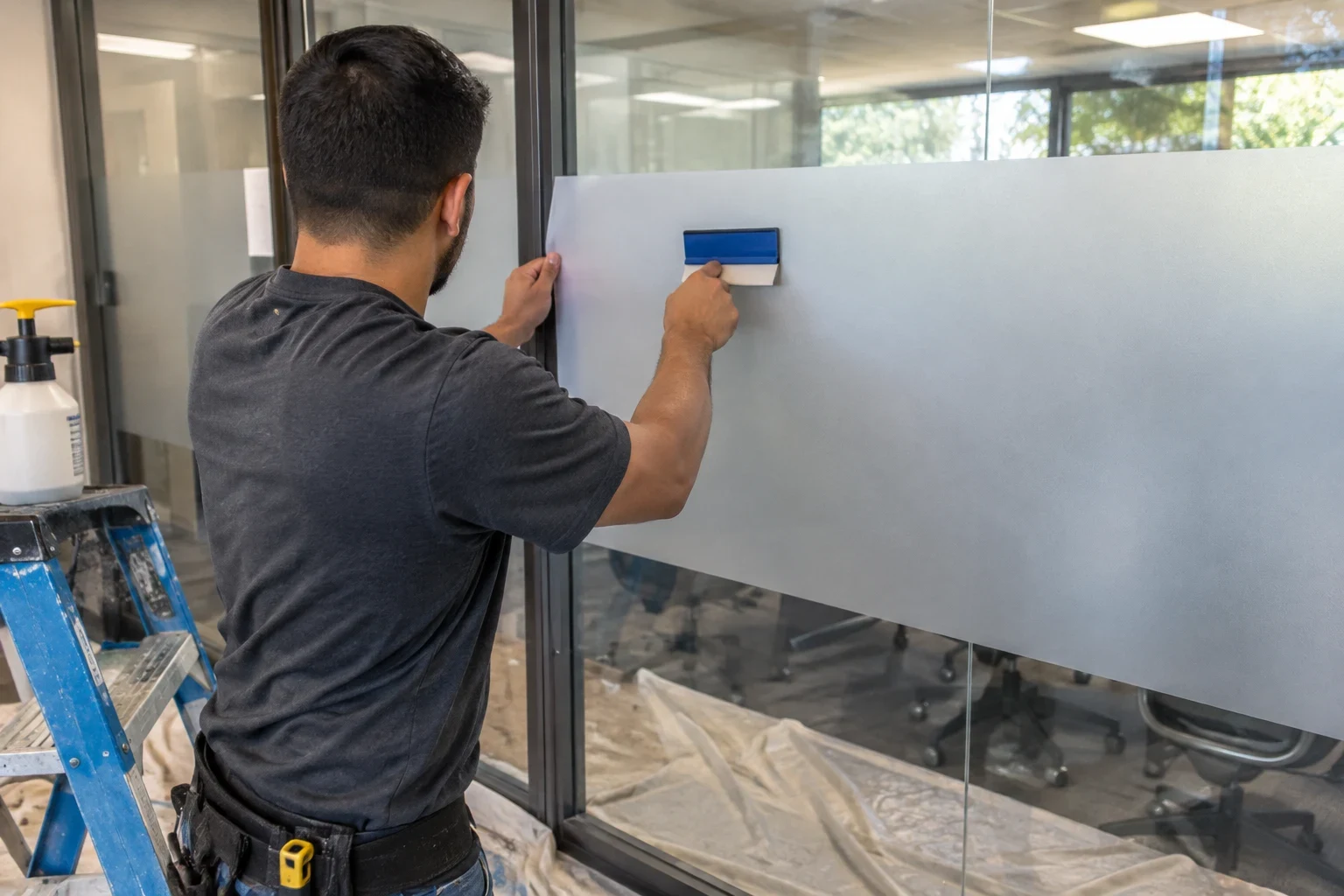
Film that works without changing how your windows look
Some people love the shiny look of reflective film. Many don't. Non-reflective window film is made with low exterior and interior reflectance, so from the yard your windows read as ordinary glass, and from the couch at night you see the room outside the window instead of your own reflection.
It still does the job you're after. Neutral and ceramic-based options give real heat rejection, glare reduction and UV protection for floors, furniture and artwork. On a long Deer Park summer afternoon, that can mean a west-facing room you actually want to sit in.
It's often the right call for front windows, homes with an HOA that frowns on mirrored glass, and anyone who wants energy savings without a visible change. If daytime privacy matters most, our Reflective Window Film or Privacy Window Tinting pages may suit you better, and we'll tell you honestly which fits.
What your installation includes
A look at your glass first
We check whether each window is single or dual pane, tempered or annealed, and how much sun it takes. Some film and glass combinations can raise thermal stress, so we match the film to the glass before anything is cut.
Samples held up to your own windows
Film looks different on a sample card than on your glass. We hold real pieces against your windows so you can judge tint level and clarity in your own light.
Careful prep of every pane
We scrape and clean the glass, including the corners where paint specks and old caulk hide. Any grit left under the film shows up later as a bump, so this step gets the most time.
Hand-trimmed edges
Each piece is trimmed to leave a small, even gap at the frame. That gap lets water escape during install and keeps the edge from catching and lifting when you clean.
Protection and cleanup
We cover sills, floors and nearby furniture before we spray, and we wipe down frames and gaskets when we're done. You get back a room that looks the way we found it.
Signs non-reflective film is the right fit
You dislike the mirrored look
You want less heat but don't want windows that shine silver or bronze from the street.
Nighttime reflections bother you
Some films turn glass into a dark mirror once the lights are on inside. Low interior reflectance keeps your view out clearer at night.
Floors and fabrics are fading
Bleached rugs, lighter strips on hardwood or faded cushions near a window point to UV getting through. Film blocks most of it without changing how the glass looks.
Glare on screens and the TV
If you shift the couch or close blinds every afternoon to see a screen, glare reduction can let you keep the blinds open.
HOA or deed rules on appearance
Many communities limit reflective finishes. A neutral, low-reflectance film usually keeps your home in line, though we suggest checking your rules before you choose.
How the day goes
- 1
Quote and film choice
It starts with a phone call. We talk through your rooms, the problem you want solved and your windows, then set up a visit to measure, show samples and give you a written quote.
- 2
Setting up the room
On install day we move what needs moving, lay drop cloths and protect electronics near the glass. Most rooms are ready to work in within minutes.
- 3
Cleaning, fitting and squeegeeing
Each pane is cleaned, the film is laid on a slip solution, trimmed and squeegeed out from the center. We go back over edges and corners twice, because that's where film fails first if it's rushed.
- 4
Walkthrough and care notes
We look at every window with you in good light. You'll get simple care tips: wait before washing, use a soft cloth, and skip ammonia cleaners and scrapers.
- 5
Curing over the next few weeks
A slight haze or small water pockets are normal at first and fade as the film cures. In humid weather that can take a bit longer, and we're glad to come back if anything doesn't clear.
What moves the price
Your quote depends on the windows and the film you pick, not a one-size rate. We list everything line by line so you know what you're paying for before we start. Here's what makes the biggest difference.
- Square footage and pane count
- Total glass area matters, but so does the number of panes. Ten small divided panes take more trimming than one large picture window of the same size.
- Film type
- A ceramic non-reflective film costs more than a basic neutral film, and it usually rejects more heat while staying clearer. We'll show you both side by side.
- Access and window height
- Second-story windows, stairwells and glass behind built-ins need ladders, staging or extra care, which adds time.
- Removing old film
- Peeling, bubbled or purple film has to come off fully, adhesive and all, before new film goes on. That's careful work and it's priced separately.
Questions about non-reflective window film
Something not covered here? (281) 400-5474
Will people still be able to see into my house?
During the day, about as well as with clear glass, sometimes a little less with a darker shade. Non-reflective film is chosen for its look and heat control, not daytime privacy. If privacy is the goal, we'll talk you through privacy or reflective options instead.
Does non-reflective film block as much heat as mirrored film?
A mirrored film usually rejects more heat at the same darkness. Ceramic non-reflective films close much of that gap while staying clear. We'll give you the actual numbers for the films we show you so you can compare honestly.
Is it safe on my double-pane windows?
Usually, yes, as long as the film suits the glass. Some darker or more absorbent films can add heat stress to certain dual-pane units. That's why we check every window before recommending anything.
Will it make my rooms dark?
Not unless you want them darker. Lighter non-reflective films keep rooms bright while still cutting UV and a good share of heat. Seeing samples on your own windows is the easiest way to decide.
How long does the install take?
A typical room takes a few hours, and many homes are done in a day. You can stay home the whole time. We'll give you a realistic schedule when we quote.
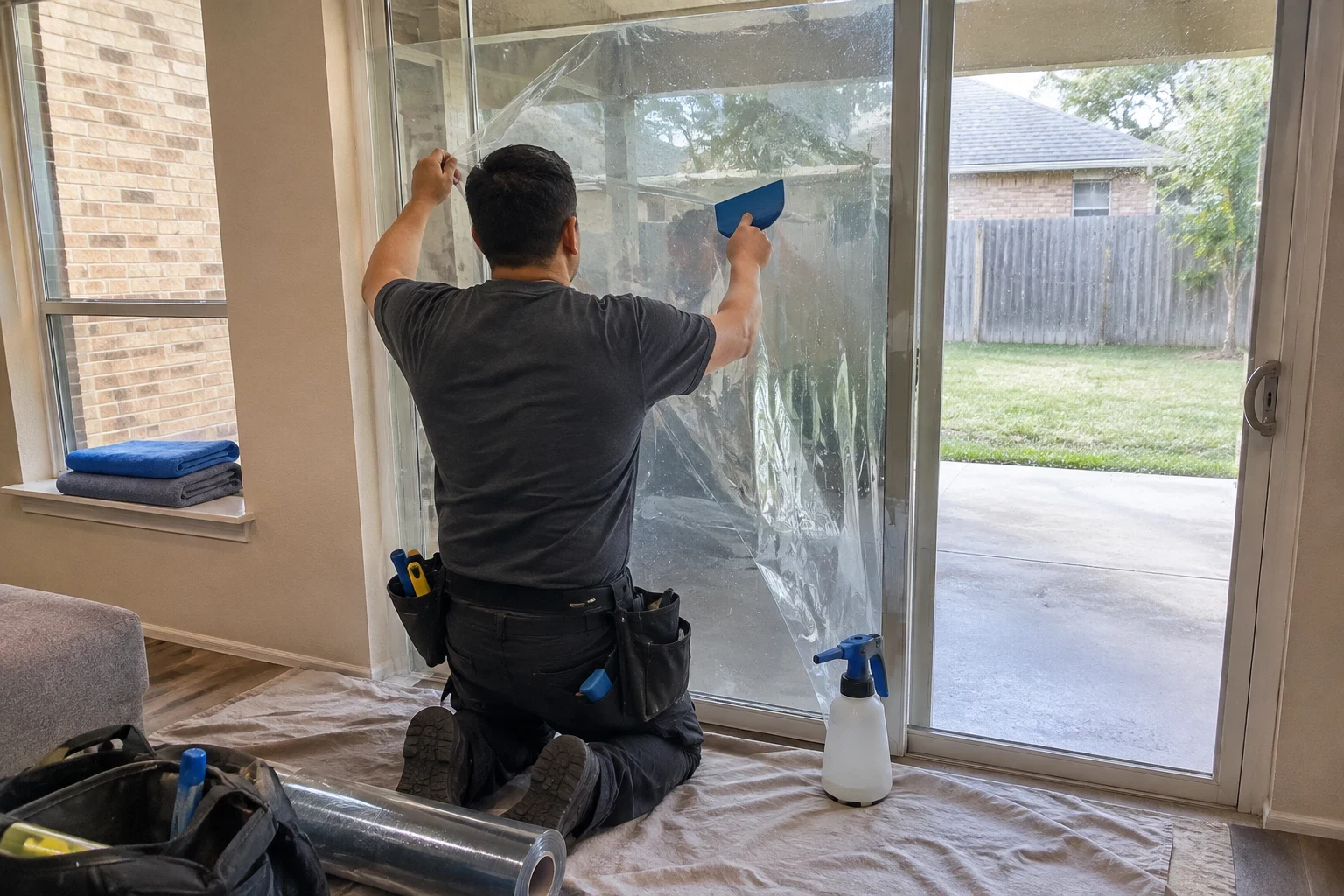
See how it looks on your own windows
Tell us which rooms run hot or glare up in the afternoon, and we'll bring samples to hold against your glass. We serve Deer Park, Pasadena, La Porte and nearby towns.